Livestock, poultry, fish and crops from one working farm.
Five enterprises on one piece of land, under one team. Everything we raise and grow is recorded batch by batch, from the day it arrives to the day it leaves.
Records for every batch
Feed, treatments, mortality, harvest and sale are entered on the day, against the animal, pond or plot they belong to.
Traceable to the pen
Every batch that leaves the farm can be traced back to where it was raised, what it was fed and who handled it.
One site, one team
Nothing is split across locations. The people who raise the stock are the people who load it, and they are on the land every day.

A working farm, not a holding company.
One farm, worked properly, will out-produce three that nobody has time to walk every morning.
- Five enterprises worked side by side on the same land.
- Production recorded per batch, not reconstructed at month end.
- Every batch traceable back to the pen, pond or plot it came from.
Five enterprises, one set of standards
What is on the farm today. It is not a closed list: new lines go up in Field Notes as they come into production.
More going into production
We add lines as the land and the market allow. New stock, new varieties and what is coming next are posted in Field Notes.
What we raise and grow
Each enterprise is managed against its own numbers, and every figure carries the date it was counted.

Livestock
- Local cattle
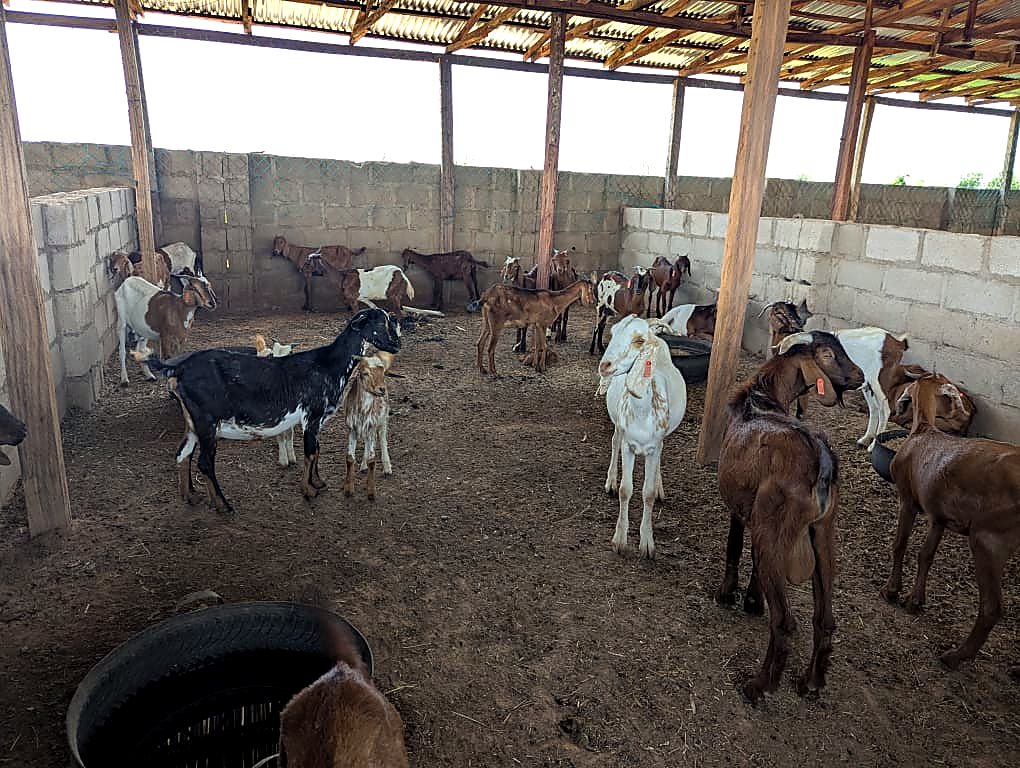
- Local goats
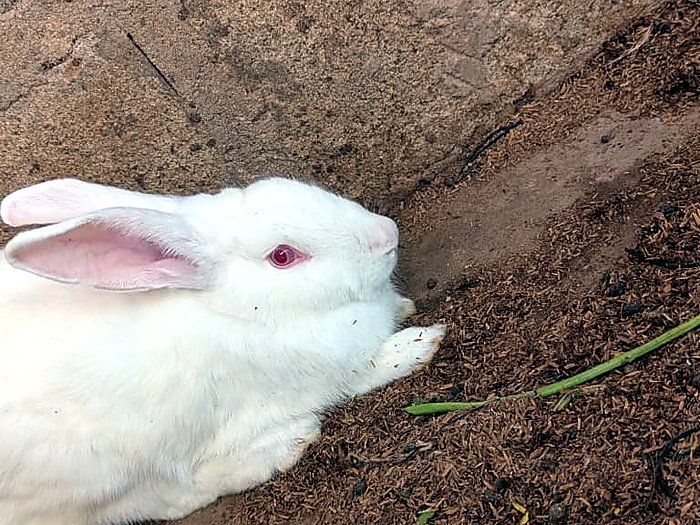
- Rabbits
Cattle under an open shed, goats in a walled pen, rabbits in raised hutches.


Horticulture
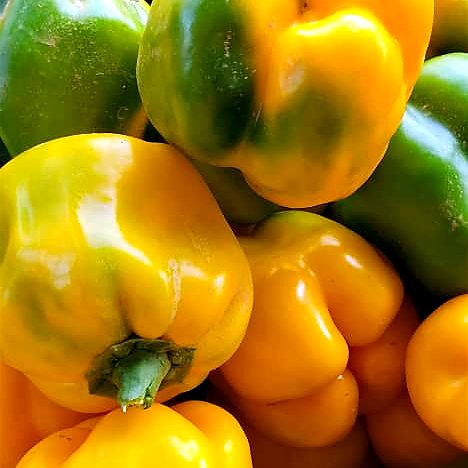
- Bell pepper
- Habanero
- Cucumber
- Tomato
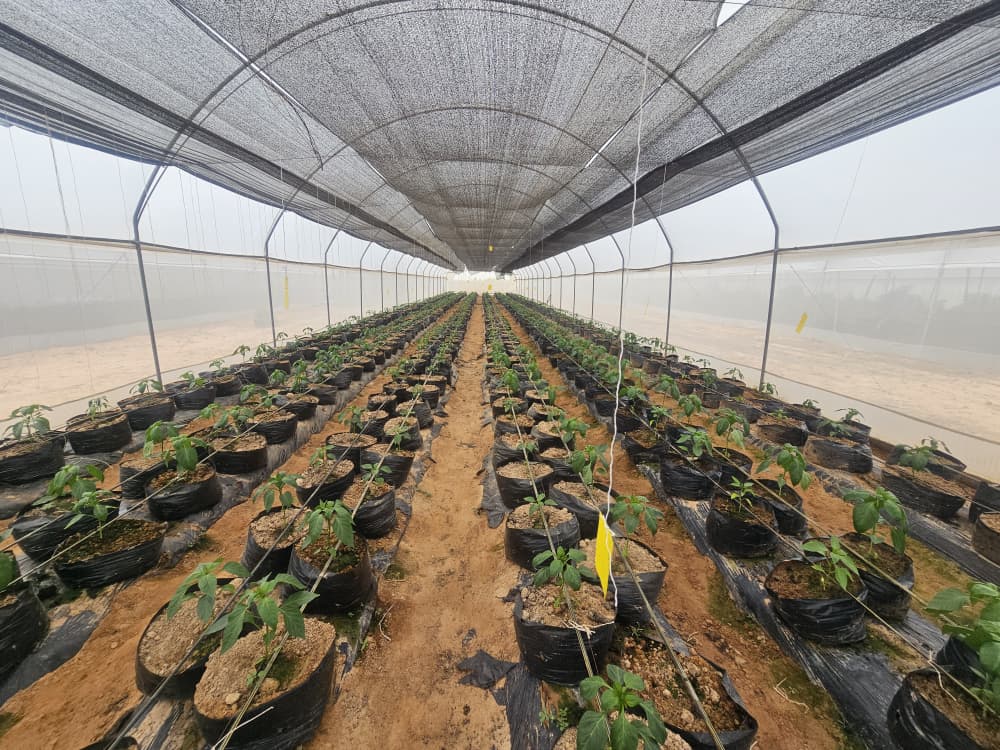
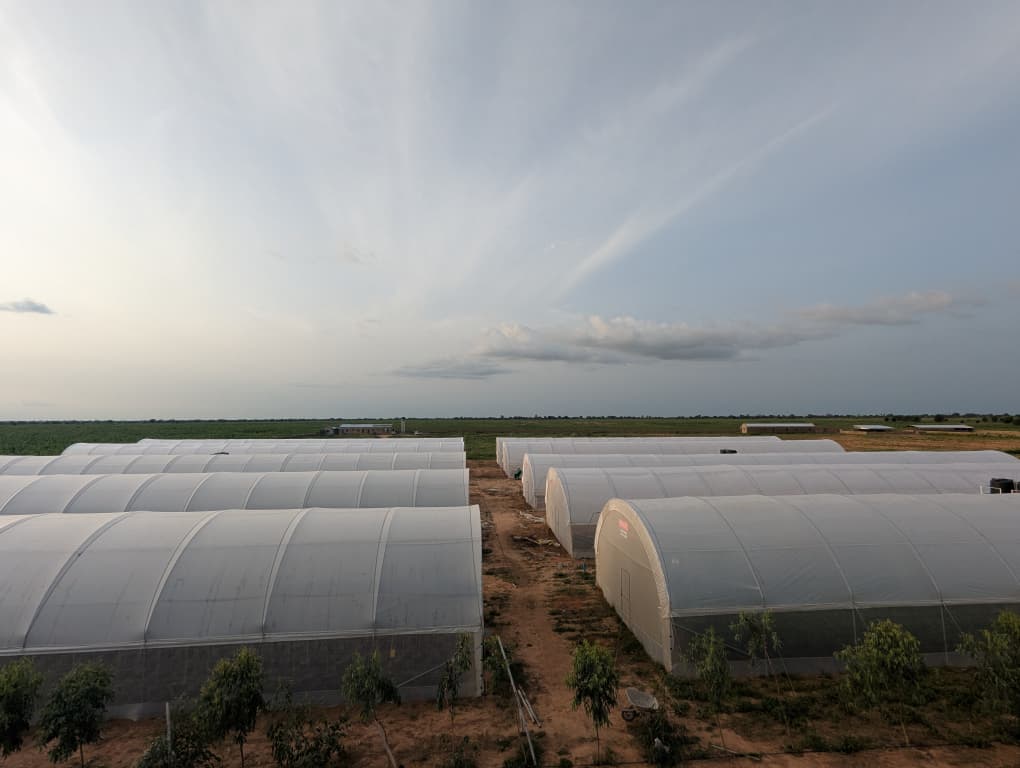
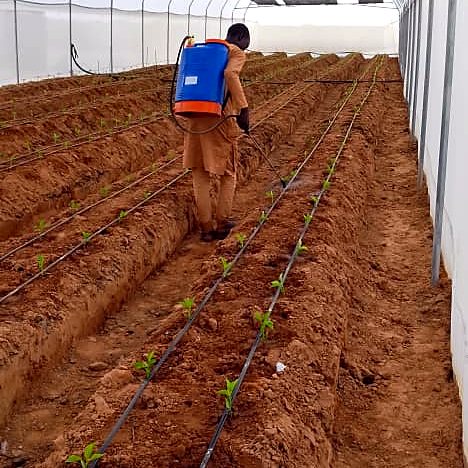
Peppers and vegetables under shade net tunnels, on drip line and mulch.

Crop production
- Maize
- Sorghum
- Millet
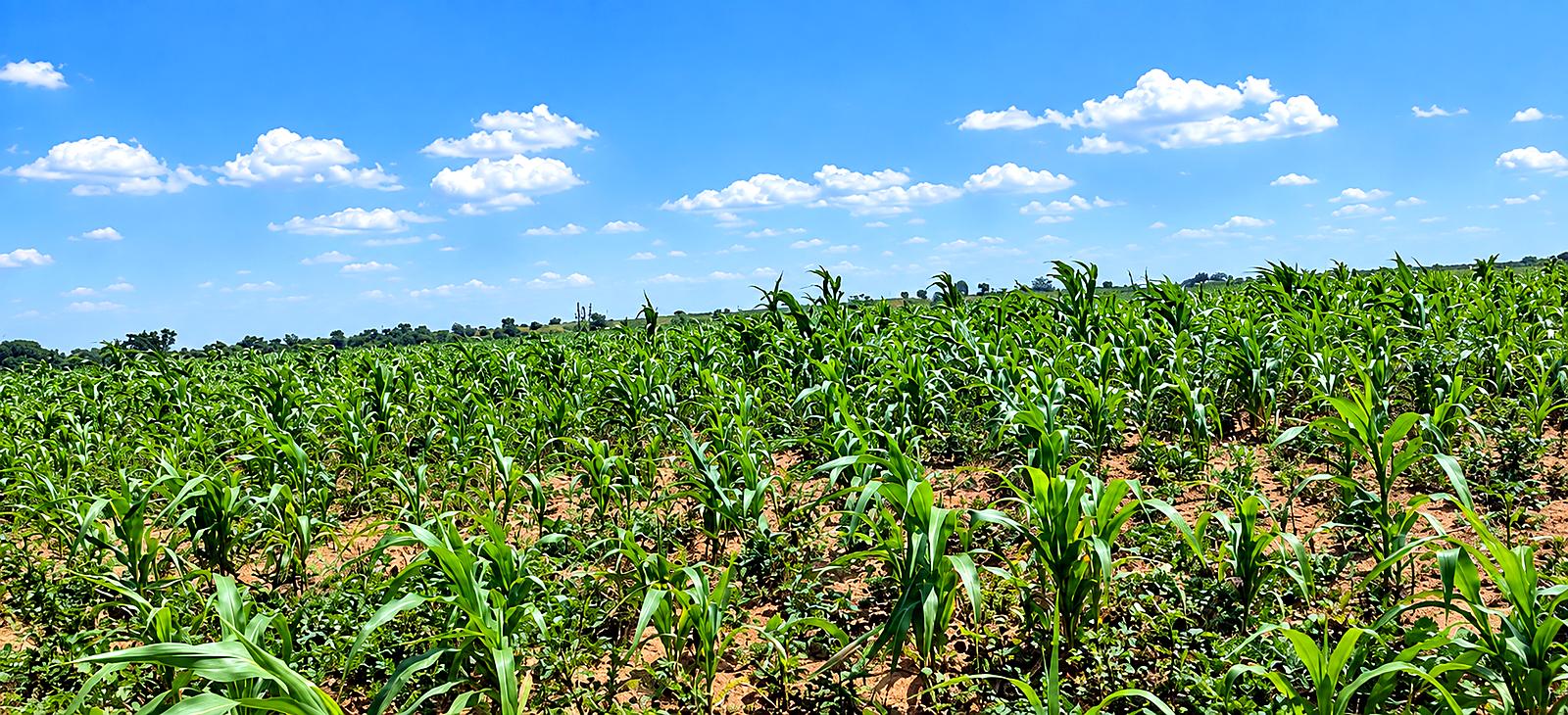
Open field beyond the tunnels, prepared and planted in rows.
What we are adding next
Lines the farm has committed to and is preparing for. They appear in the table above once they are actually in the ground or in the pen.
- Goats Boer Livestock
- Goats Kalahari Red Livestock
- Cattle Friesian Livestock
- Cauliflower Horticulture
- Purple cabbage Horticulture
Every input recorded against the batch it belongs to.
A bag of feed, a vaccination, a mortality, a harvest and a sale are entered once, by the person who did the work, on the day it happened, and stay attached to the batch they belong to. Nothing is reconstructed from memory at the end of the month.
- Traceable from the pen or pond to the buyer.
- Records available to any buyer who asks for them.

What it actually looks like